
"Fuego volcano"
500 article(s) found

Brief introduction of coffee from eight major producing areas in Guatemala: Vera Coffee the producing area of Guatemalan Coffee
5. The Waiqiang Plateau (FraijanesPlateau): this area is of volcanic soil, with high altitude, sufficient rainfall and great humidity variation. Ash from Pacaya, Guatemala's most active volcano, provides important minerals for the soil in the region. There is plenty of sunshine in the dry season, and although the clouds and dew are heavy in the morning, they dissipate quickly. As a result, 100% of the coffee in the area is added to the sun.

Characteristics and attributes of coffee in eight producing areas of Guatemala
The Ekatlago Valley is 2000 meters (6500 feet) above sea level, with dense shade and unique ecology. The nearby Fuego volcano erupts, making its coarse, sandy soil rich in a variety of minerals. Temperate sea breezes from the Pacific and a seasonal climate allow coffee in this region to be dried by sunlight and processed according to traditional family methods that have been accumulated over the years. [characteristics]

Characteristics of Coffee from Eight Major Producing Areas in Guatemala
Elevated to 2000 meters (6500 feet), it is densely shaded and ecologically unique, with the nearby Fuego volcano erupting intermittently, making its coarse, sandy soil rich in minerals. Temperate sea breezes from the Pacific Ocean and seasonal climates allow this region's coffee to be sun-dried and processed by home-style traditional methods accumulated over the years. [Features] Acidity is obvious, dry
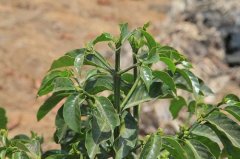
Eight boutique coffee producing areas in Guatemala describe in detail the impact of rainfall on coffee trees.
Professional baristas Please follow the Coffee Workshop (official Wechat account cafe_style) Coffee has helped the Guatemalan economy for more than a century. Today, an estimated 125000 coffee producers drive Guatemala's coffee industry, and coffee remains one of Guatemala's main exports, accounting for 40 per cent of all agricultural export earnings. Guatemala is the most likely.
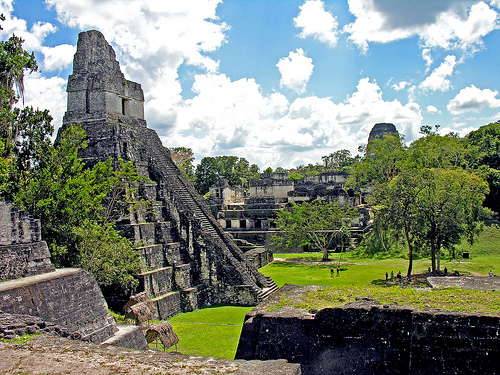
Characteristics and attributes of coffee in eight producing areas of Guatemala
The Ekatra Valley rises to 2000 meters (6500 feet), with dense shade and unique ecology, and the nearby Fuego volcano erupts, making its coarse, sandy soil rich in a variety of minerals. Temperate sea breezes from the Pacific and a seasonal climate allow coffee in this region to be dried by sunlight and processed according to traditional family methods that have been accumulated over the years. [characteristics]

Flavor description of coffee beans in eight producing areas of Guatemala
The Ekatlago Valley is 2000 meters (6500 feet) above sea level, with dense shade and unique ecology. The nearby Fuego volcano erupts, making its coarse, sandy soil rich in a variety of minerals. Temperate sea breezes from the Pacific and a seasonal climate allow coffee in this region to be dried by sunlight and processed according to traditional family methods that have been accumulated over the years. [characteristics]

Characteristics and attributes of coffee in eight producing areas of Guatemala
The Ekatlago Valley is 2000 meters (6500 feet) above sea level, with dense shade and unique ecology. The nearby Fuego volcano erupts, making its coarse, sandy soil rich in a variety of minerals. Temperate sea breezes from the Pacific and a seasonal climate allow coffee in this region to be dried by sunlight and processed according to traditional family methods that have been accumulated over the years. [characteristics]

Introduction of eight different producing areas of coffee beans in Guatemala
The Ekatlago Valley is 2000 meters (6500 feet) above sea level, with dense shade and unique ecology. The nearby Fuego volcano erupts, making its coarse, sandy soil rich in a variety of minerals. Temperate sea breezes from the Pacific and a seasonal climate allow coffee in this region to be dried by sunlight and processed according to traditional family methods that have been accumulated over the years. [special]

Yuyun clear Guatemala boutique coffee bean cultivation geographical location climate altitude brief introduction
1. AcatenangoValley: the AcatenangoValley is 2000 meters (6500 feet) above sea level, with dense shade and unique ecology. Nearby Fuego volcanoes continue to erupt, making its coarse, sandy soil rich in a variety of minerals. The temperate sea breeze from the Pacific and the seasonal climate make coffee available in this producing area.
Characteristics and attributes of coffee from eight major producing areas of Guatemala
The Ekatlago Valley is 2000 meters (6500 feet) above sea level, with dense shade and unique ecology. The nearby Fuego volcano erupts, making its coarse, sandy soil rich in a variety of minerals. Temperate sea breezes from the Pacific and a seasonal climate allow coffee in this region to be dried by sunlight and processed according to traditional family methods that have been accumulated over the years. [characteristics]
Common sense of Coffee characteristics of Coffee in eight producing areas of Guatemala
The Ekatra Valley rises to 2000 meters (6500 feet), with dense shade and unique ecology, and the nearby Fuego volcano erupts, making its coarse, sandy soil rich in a variety of minerals. Temperate sea breezes from the Pacific and a seasonal climate allow coffee in this region to be dried by sunlight and processed according to traditional family methods that have been accumulated over the years. [characteristics]
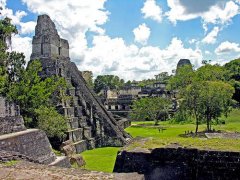
Characteristics and attributes of coffee from eight major producing areas in Guatemala Guatemala
The Ekatlago Valley is 2000 meters (6500 feet) above sea level, with dense shade and unique ecology. The nearby Fuego volcano erupts, making its coarse, sandy soil rich in a variety of minerals. Temperate sea breezes from the Pacific and a seasonal climate allow coffee in this region to be dried by sunlight and processed according to traditional family methods that have been accumulated over the years. [characteristics]

Introduction of Coffee from eight Major producing areas in Guatemala the origin of Guatemalan coffee is in danger.
Guatemala is a famous producer of high-quality Arabica coffee in Central America. Coffee from five volcanic and three non-volcanic producing areas is very unique and enjoys a high reputation in the international market. Mr. EduardoAmbrocio of the Guatemalan Coffee Company introduced Guatemalan coffee to the audience at the SCAA Houston show in April 2010. 1. Alcatraguo Valley (AcatenangoValley)

Coffee bean flavor characteristic attributes of coffee in eight major producing areas of Guatemala
The Ekatra Valley rises to 2000 meters (6500 feet), with dense shade and unique ecology, and the nearby Fuego volcano erupts, making its coarse, sandy soil rich in a variety of minerals. Temperate sea breezes from the Pacific and a seasonal climate allow coffee in this region to be dried by sunlight and processed according to traditional family methods that have been accumulated over the years. [characteristics]

Guatemala-Antigua Floral Coffee-Culture Flavor Description Type Introduction
Each region of coffee beans have their own characteristics, but also for Guatemala won a lot of international praise, especially Antigua it sour, sweet, mellow texture is how perfect coordination; add a hint of smoke, more emphasis on its mystery, after tasting you will have reason not to let yourself look for alternatives everywhere. Guatemala coffee beans are mostly cultivated in volcanic areas at high altitudes where the soil is highest

Volcanic Environment Effects on Coffee Guatemala Volcanic Region Antigua Coffee Bean Flavor Characteristics
Fertile volcanic soils, low humidity, plenty of sunshine and cool nights characterize the region and are home to some of Guatemala's most extraordinary coffees. The valley surrounding Antigua (hence the name of the area) is surrounded by three volcanoes: Agua, Fire and Acatango. Every so often, Fuego, one of Guatemala's three active volcanoes,

Common important regions of Guatemala Detailed description Learn about the fine regions of Guatemala
The Akatango Valley rises to 2000 meters (6500 feet) above sea level, is densely shaded and ecologically unique, and the nearby Fuego volcano is a fault eruption, making its coarse, sandy soil rich in various minerals. Temperate sea breezes from the Pacific Ocean and seasonal climates allow this region's coffee to be sun-dried and processed by home-style traditional methods accumulated over the years. [Features]
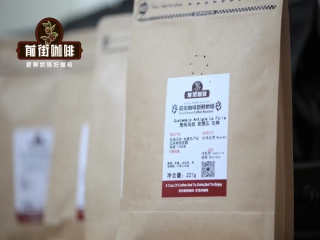
Which coffee producing areas are there? an introduction to Guatemala's boutique coffee bean producing areas. Why does it have a unique smoky smell?
Guatemala is a famous producer of high-quality Arabica coffee in Central America. Its unique geographical conditions make it a special presence in coffee cultivation and coffee bean flavor. Among the many coffee flavors, smoke has always been considered to be a defective taste. But Guatemalan coffee beans have a smoky smell in the end.

Description of flavor and flavor of Guatemalan coffee red wine introduction to the production area of grinding scale variety treatment method
Guatemalan Coffee Red Wine Flavor description Grinding scale Variety treatment legal production area introduction most small-scale producers are descendants of the Mayans (Mayan), who like to be called locals. Currently, they are also benefiting from a U.S.-funded project that locals call The Project, which plans to invest $2.5 million to encourage the launch of small
Introduction of Guatemalan Fine Coffee introduction to Guatemalan Coffee producing areas
Guatemala is a famous producer of high-quality Arabica coffee in Central America. Coffee from five volcanic and three non-volcanic producing areas is very unique and enjoys a high reputation in the international market. Mr. EduardoAmbrocio of the Guatemalan Coffee Company introduced Guatemalan coffee to the audience at the SCAA Houston show in April 2010. 1. Alcatraguo Valley (AcatenangoValley)